Ongoing health research continues to show a clear and consistent trend: more Americans are choosing to live independently as they age. While this brings comfort, familiarity, and dignity, it also raises important questions about personal safety — particularly during unexpected situations at home.
Studies focusing on aging populations highlight a recurring concern. Many medical emergencies do not happen in hospitals or care facilities — they happen at home, often when a person is alone. Whether it's a sudden illness, a dizzy spell, or a loss of balance, the ability to reach help quickly can make a meaningful difference in how a situation unfolds.
These findings are consistent across multiple areas of public health research, including studies published by gerontologists, data gathered by federal agencies tracking aging populations, and peer-reviewed work examining emergency response outcomes in home settings. While specific circumstances vary, the broader conclusion is well-supported: living independently carries real safety considerations that are worth addressing proactively.
This is why preparation matters — before an emergency, not during one
For individuals and families, safety is not only about preventing emergencies. It's about being ready if one occurs. Having a dependable way to call for help from anywhere in the home — without having to reach a phone — provides real reassurance for those living alone and for the people who care about them.
What Makes a Medical Alert System Effective
Not all personal safety solutions are alike. When evaluating options, a few factors stand out as especially important:
- Reliability of the device itself. A help button that needs frequent charging may go unworn — or be unavailable at a critical moment. Life Alert's medical alert buttons never need charging, giving them the longest battery life in the industry. The device is always ready, because it never needs to be plugged in.
- Speed of response. When a button is pressed, connection to a trained monitoring specialist happens quickly. Life Alert's monitoring center operates 24 hours a day, seven days a week, every day of the year — with no gaps in coverage.
- Ease of use. The device should work without complicated steps. A single button press is all it takes to reach help.

When Every Minute Matters
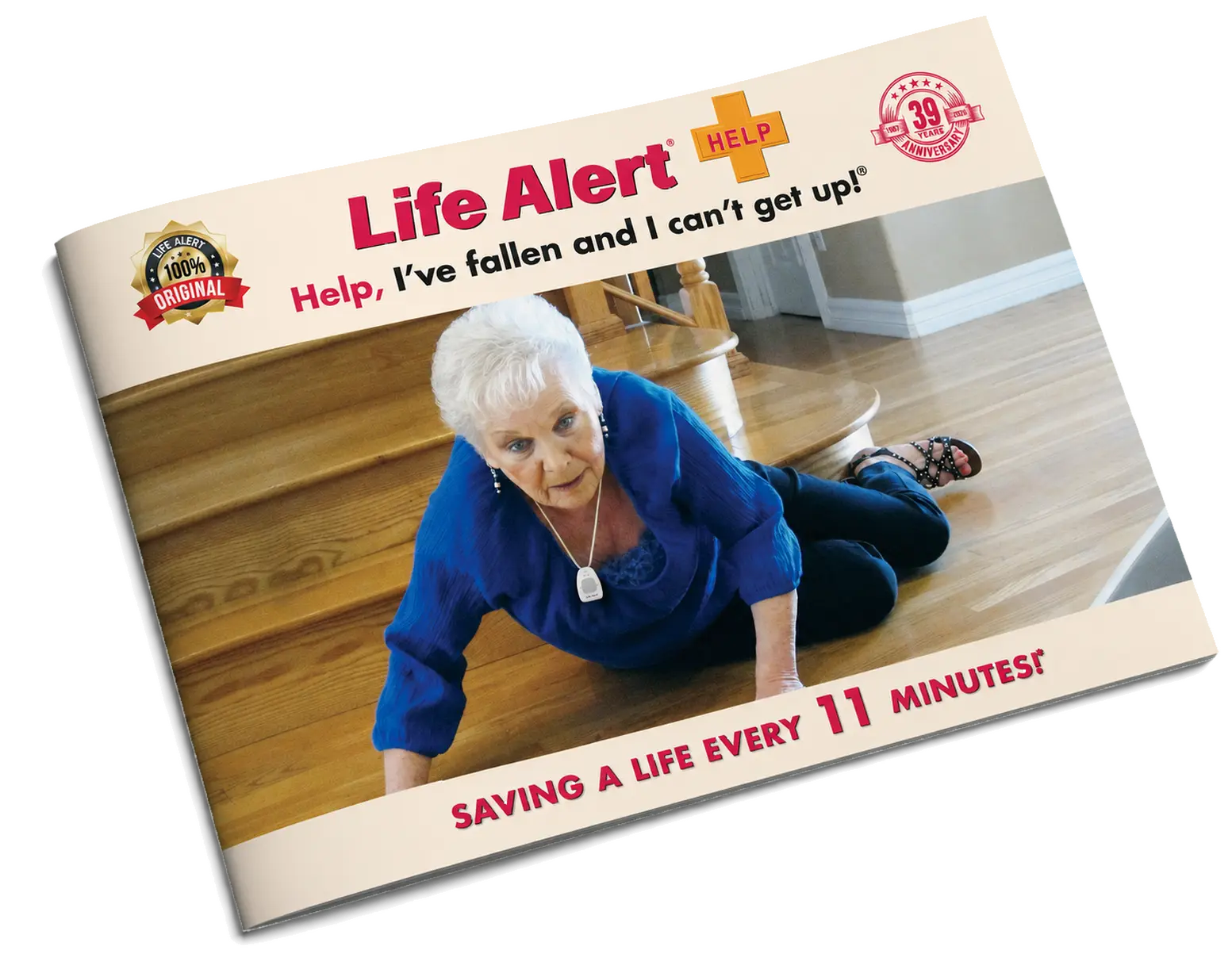
Consider a situation that occurs more often than many families expect. An older adult is home alone in the early morning hours. They experience sudden dizziness and lose their footing in the hallway — far from their phone. Without a wearable help button, their options are limited. With one, a single press connects them to a live monitoring specialist who can assess the situation, contact emergency services, and stay on the line until help arrives.
It is not a dramatic or unusual scenario. It is, in fact, one of the most common ways that a medical alert system proves its value — not in extreme circumstances, but in the ordinary moments of daily life when something unexpected happens and a phone is simply not within reach.
Peace of Mind That Extends Beyond the User
One of the most frequently cited benefits of a medical alert system — by both users and their families — is not the device itself, but the confidence it provides. Knowing that help is accessible at any hour, without depending on a nearby phone, changes how people experience living alone. For adult children and caregivers, that reassurance often becomes equally important.
As research continues to reinforce the value of safe, independent living, one point remains consistent: staying home should never mean being without support. Taking straightforward steps to ensure access to assistance can make independent living not only possible — but more secure, and more sustainable over time.
To learn more about how Life Alert supports independent living and personal safety, visit our How It Works page or call us today at 800-360-0329.
Sources and Further Reading
Published May 5, 2026. Updated May 18, 2026.
Reviewed by Life Alert Editorial Team.