Emergency Preparedness for People Living With AFib
Living with atrial fibrillation (AFib) often means learning how to manage daily life while staying aware of possible symptoms and health risks. While many people with AFib continue living on their own terms, symptoms can sometimes appear unexpectedly and create situations where immediate help may be needed.
AFib is most common in older adults, but younger adults — including people in their 40s and 50s — can also develop the condition. Some people experience occasional episodes, while others live with ongoing heart rhythm irregularities for years. In many cases, people continue working, traveling, exercising, and going about their days the way they always have. However, symptoms such as dizziness, weakness, rapid heartbeat, fainting, shortness of breath, or stroke-related complications can sometimes happen without warning.
Because of that unpredictability, many individuals living with AFib choose to think ahead about emergency preparedness and quick access to help.

Understanding the Importance of Emergency Planning
For many people, AFib symptoms are manageable most of the time. But certain situations can quickly become dangerous, especially if someone is alone or unable to reach a phone during an emergency.
A person may suddenly feel dizzy while stepping out of the shower. Someone driving or walking outdoors may become weak or lightheaded during an episode. Others may wake up at night with a racing heartbeat, difficulty breathing, or confusion. In more serious situations, AFib may increase the risk of stroke symptoms that require immediate medical attention.
Preparing for those possibilities does not mean expecting the worst. It simply means having a plan in place in case help is needed quickly.
Stroke Risk, AFib, and Why Fast Response Matters
One of the most serious complications associated with AFib is stroke. According to the American Heart Association, an irregular heartbeat can allow blood clots to form inside the heart, which may then travel to the brain — making individuals with AFib significantly more likely to experience a stroke than those without the condition.
Recognizing warning signs early is extremely important. Symptoms may include sudden weakness, facial drooping, trouble speaking, severe dizziness, confusion, numbness, or difficulty maintaining balance.
What makes stroke particularly dangerous is the treatment window. Medical outcomes are directly affected by how quickly emergency care is received. During a stroke or severe cardiac episode, even simple tasks such as standing up, unlocking a door, or reaching a phone may become impossible. Fast emergency response is not just helpful in those situations — it can determine what happens next.
Emergency Preparedness at Home
Many medical emergencies happen at home, especially in bathrooms, bedrooms, kitchens, and stairways. Bathrooms can be particularly dangerous because hot water, steam, slippery surfaces, and dizziness may combine to create a serious fall risk.
People living alone often think carefully about what could happen if symptoms suddenly become severe while no one else is nearby. Even individuals who generally feel healthy may feel more comfortable knowing they have immediate access to emergency assistance if something happens.
Many people keep phones nearby throughout the house, share emergency plans with family members, or maintain updated medical information in accessible places. But phones are not always within reach during sudden AFib symptoms, especially in the shower, during the night, or while charging. That is why many individuals choose Life Alert as part of their emergency preparedness plan, allowing them to quickly call for help.
Is Life Alert a Good Option for Someone With AFib?
For individuals living with AFib, a medical alert system addresses a specific and practical concern: what happens if a serious symptom occurs when no one else is nearby and reaching a phone is not possible. Life Alert's one-button access to a live dispatcher — available 24 hours a day, every day of the year — is designed precisely for that situation.
When someone presses their Life Alert button, they are connected immediately to a trained emergency specialist who can assess the situation, contact emergency services, and stay on the line until help arrives. For people managing a condition that carries elevated stroke risk or unpredictable cardiac episodes, knowing that help is one button away can matter greatly.
Staying Safe While Maintaining an Active Lifestyle
Having AFib does not mean giving up independence or daily activities. Many individuals continue enjoying full lives long after diagnosis.
At the same time, symptoms do not always happen at convenient moments. Someone may begin feeling faint while shopping, walking outdoors, traveling, or spending time alone. Moments like these can become especially stressful when immediate help is not easily available.
Life Alert allows users to contact emergency assistance with the press of a button, whether at home or on the go. For many people living with AFib — whether in their 40s or their 80s — knowing that help is one button away makes it easier to keep living the way they want to.
Creating an AFib Emergency Preparedness Plan
Emergency planning looks different for every individual. Many people living with AFib find it helpful to learn the warning signs of stroke and serious cardiac symptoms, keep emergency contact information updated, maintain current medication information, discuss emergency plans with family members, and make sure they can quickly contact help if symptoms suddenly become severe.
Even small safety preparations can help people feel more confident and better prepared in daily life.
Can AFib symptoms happen suddenly?
Yes. Some people experience sudden dizziness, weakness, rapid heartbeat, fainting, or shortness of breath during an AFib episode.
Can AFib increase the risk of falling?
It can. Symptoms such as dizziness, weakness, or fainting may increase fall risk for some individuals, especially during sudden episodes.
What should someone with AFib do during an emergency?
Anyone experiencing severe chest pain, stroke symptoms, trouble breathing, or loss of consciousness should seek emergency medical attention immediately.
Why do some people with AFib use Life Alert?
For individuals living with AFib, a medical alert system addresses a specific concern: what happens if a serious symptom occurs when no one else is nearby and reaching a phone is not possible. Life Alert provides one-button access to a live emergency dispatcher, 24 hours a day, making it a practical part of an emergency preparedness plan for people managing elevated stroke risk or unpredictable cardiac episodes.
Can younger adults have AFib?
Yes. Although AFib is more common in older adults, younger adults — including people in their 40s and 50s — can also develop the condition.
Is it important to have an emergency plan for AFib?
Many people living with AFib choose to prepare by learning stroke warning signs, keeping medical information accessible, and making sure help can be reached quickly if symptoms suddenly become serious.
To learn more about how Life Alert supports safe, independent living, visit our
How It Works page or call us today at
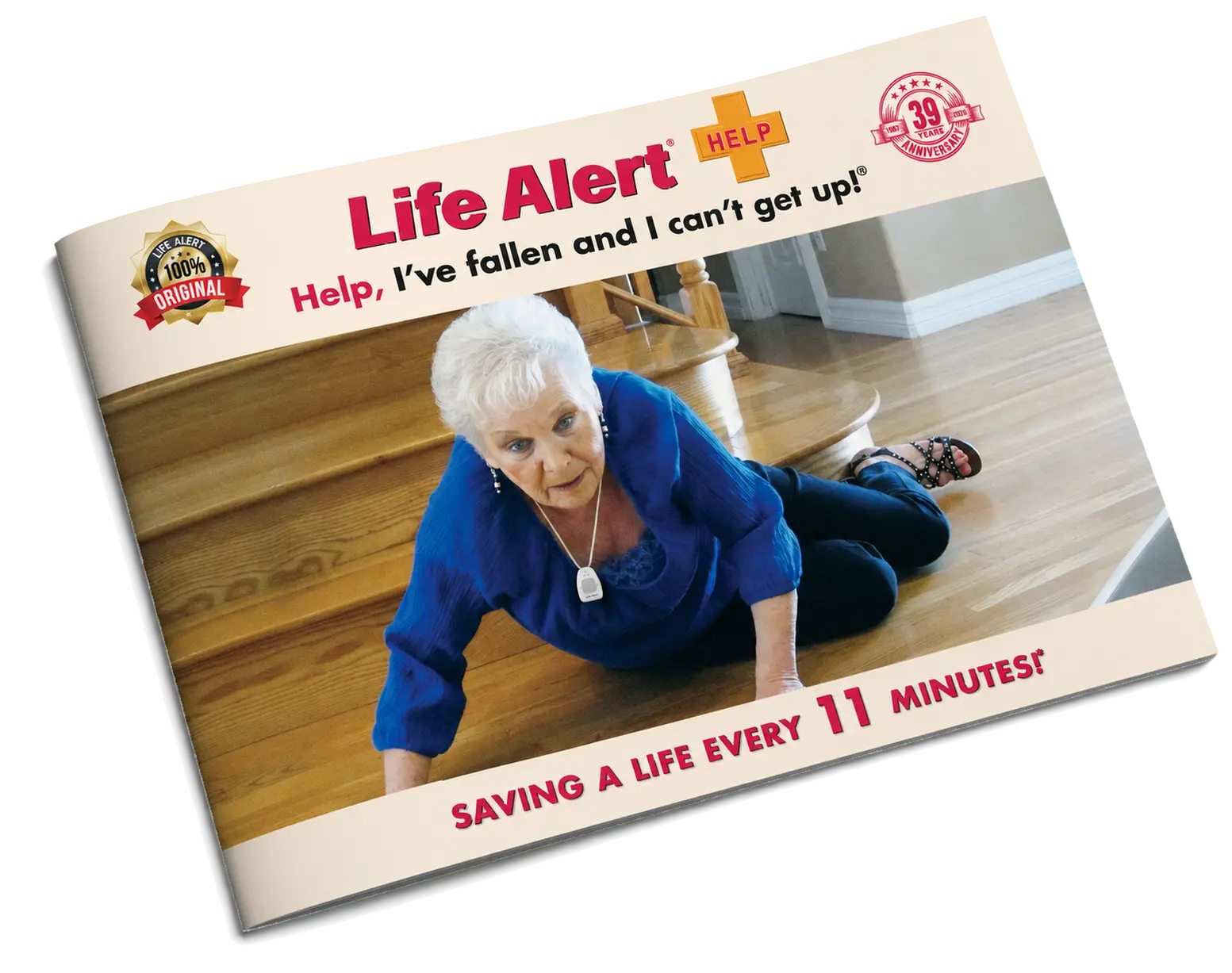
800-360-0329 for a free brochure.
This article is intended for educational and emergency preparedness purposes only and does not replace professional medical advice.