When Antibiotics Make Seniors Weak or Confused: Being Prepared at Home
For many older adults, taking antibiotics is simply part of recovering from an infection and getting back to normal life. A doctor prescribes medication, symptoms begin improving, and within days most people expect to feel better.
But recovery does not always follow a straight line, especially for seniors.
Some older adults become unusually weak while taking antibiotics. Others feel dizzy getting out of bed, lightheaded after a hot shower, or confused during activities that would normally feel routine. Family members are often caught off guard by how quickly someone who seemed fine the day before suddenly appears disoriented, unsteady, or too uncertain on their feet to be safely alone.
In many cases, these reactions are temporary. But even short-term weakness or confusion can create serious situations when someone is home alone.

When Ordinary Moments Become Risky
Many accidents do not happen during dramatic emergencies. They happen during completely ordinary moments.
An older adult recovering from an infection may wake up during the night feeling confused and lose balance walking to the bathroom. Someone else may become dizzy standing in the kitchen, feel faint stepping out of the shower, or suddenly feel too weak to safely get up from a chair. Another person may feel well enough in the morning and then find themselves struggling by afternoon — without warning.
These moments are especially concerning because they tend to happen quietly, without anyone else nearby to notice.
Even mild confusion can become dangerous if a person falls, becomes frightened, or cannot get to a phone.
What the Research Shows About Antibiotics and Older Adults
Most people tolerate antibiotics without serious problems. But older adults are more vulnerable to certain side effects than younger patients, partly because aging affects how the body processes medication and partly because seniors are more likely to be managing other health conditions at the same time.
According to the U.S. Food and Drug Administration, some antibiotic classes — including fluoroquinolones — carry warnings about neurological side effects that can include confusion, agitation, and dizziness, particularly in older patients. Research has also consistently shown that seniors are at higher risk of antibiotic-associated delirium, a state of sudden confusion that can develop quickly and be frightening both for the person experiencing it and for family members who witness it.
These are not everyday occurrences. But they happen often enough that seniors and families are right to think about what preparation looks like during a recovery period.
Why Families Worry During Recovery
Many adult children notice changes in a parent while antibiotics are being taken, especially after a hospitalization or a prolonged illness. A parent who normally sounds sharp and engaged may seem forgetful, slower to respond, or simply not themselves for several days.
For many families, the concern that takes hold is a straightforward one:
What if something happens when no one is there?
That question — and the discomfort of not having a clear answer — is one reason many seniors and their families think carefully about emergency preparedness during recovery.
Why Seniors Recovering From Illness Use Life Alert
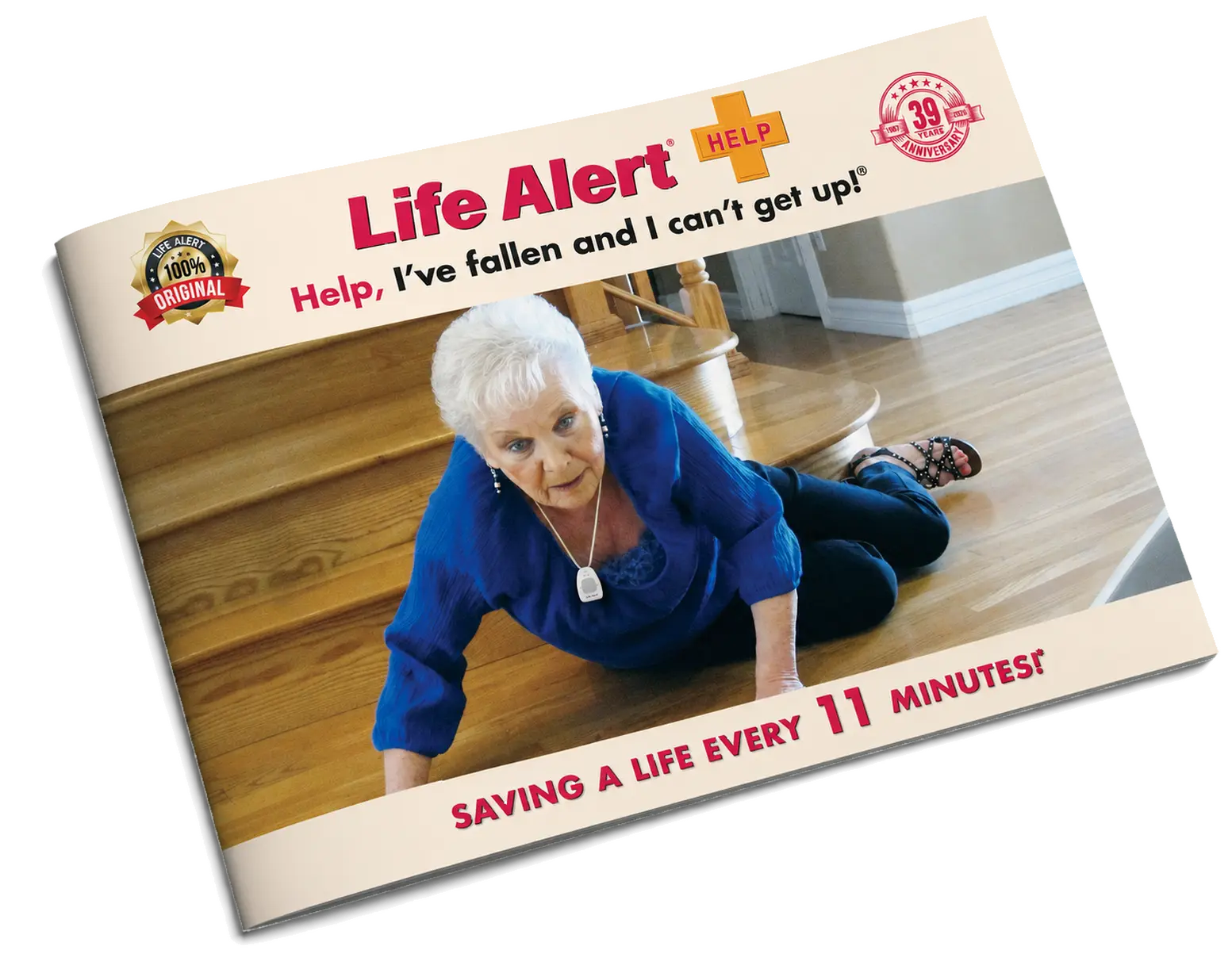
For older adults recovering at home, a medical alert system addresses a very specific problem: what happens if dizziness, weakness, or sudden confusion makes it impossible to safely get up, reach a phone, or call for help.
Life Alert's one-button access to a live dispatcher — available every hour of every day — is built for exactly that gap. When someone presses the button, they reach a trained emergency specialist immediately. That person can assess the situation, contact emergency services, and stay on the line until help arrives. No fumbling with a phone. No trying to remember a number. No waiting alone wondering whether anyone is coming.
For many seniors, the value is not the device itself so much as what it makes possible: recovering at home, on their own terms, without the risk of being completely unreachable if something goes wrong.
Staying Home, Staying Safe
Recovering at home is almost always preferable to a hospital or facility stay. Most seniors want to be in their own space, in their own bed, with their own routines — and in most cases, that is entirely reasonable even when antibiotics are involved.
What changes during recovery is the margin for error. Temporary weakness, fatigue, and dizziness mean that help needs to be genuinely within reach — not across the house, not dependent on a charged phone, not contingent on remembering where anything is.
Being prepared is not about expecting something bad to happen. It is about making sure that if it does, the response is immediate.
Can antibiotics make seniors dizzy or weak?
Yes. Some older adults experience dizziness, weakness, or balance problems while taking certain antibiotics, even when they initially seem to be tolerating the medication well.
Can antibiotics cause confusion in older adults?
In some cases, yes. Certain antibiotic classes have been associated with confusion, agitation, and delirium in older patients, particularly those managing other health conditions.
Why are falls more likely during antibiotic recovery?
Weakness, dizziness, and medication side effects can all increase fall risk — especially when moving around alone at night or getting up quickly after lying down.
Should families check in more during antibiotic recovery?
Many families find it helpful, particularly in the first few days of a new prescription or after a hospitalization. Knowing what to watch for — confusion, unusual fatigue, or a noticeable change in alertness — helps families respond quickly if something shifts.
Why do some seniors use Life Alert while recovering from illness?
Because recovery can bring moments where weakness or confusion makes it hard to reach a phone. Life Alert connects seniors to a live dispatcher at the press of a button — no searching, no dialing, no waiting alone.
To learn more about Life Alert's medical alert devices for use at home and on the go, visit our
Medical Alert Systems page or call us today at
800-360-0329 for a free brochure.
This article is intended for educational and emergency preparedness purposes only and does not replace professional medical advice. If you have questions about a specific medication or health condition, please speak with your physician or pharmacist.