For caregivers, diabetes is usually discussed in terms of meals, medication, blood sugar checks, and doctor visits. But inside the home of an older adult, diabetes can become something else too: a safety risk.
A parent may seem fine at breakfast and feel weak by afternoon. A senior who has always walked confidently to the kitchen may suddenly become dizzy in the hallway. Someone living alone may experience low blood sugar during the night and become too confused to reach the phone.
These are the situations families often do not picture until they happen.
Diabetes management is important. But for older adults, especially those who live alone, families also need to think about what happens when diabetes contributes to a fall, confusion, weakness, or an emergency that the senior cannot handle by themselves.
The National Institute of Diabetes and Digestive and Kidney Diseases notes that low blood glucose can cause symptoms such as dizziness, confusion, blurred vision, trouble speaking, and, in severe cases, loss of consciousness. That is why the risk is not limited to the blood sugar episode itself. For a senior alone at home, the delay in getting help can become part of the emergency.

When the Call Does Not Get Through
Imagine a familiar caregiving routine.
A daughter calls her 82-year-old father every evening. Most nights, he answers after a ring or two. One night, the phone keeps ringing. She assumes he is in the bathroom, watching television, or maybe already asleep. Fifteen minutes later, she tries again. Still nothing.
A neighbor goes over to check. Her father is on the kitchen floor, confused and too weak to get up. Earlier that day, he skipped lunch because he “wasn’t hungry.” By evening, he felt dizzy and tried to get a glass of juice. The phone was on the counter. He could see it, but he could not reach it.
This is the kind of moment caregivers fear: not only that something will go wrong, but that no one will know soon enough.
For families caring for an older adult with diabetes, safety planning cannot stop at diet, medication, and glucose monitoring. It also needs to include fall prevention, home safety, and a realistic way to call for help when the senior cannot get to a phone.
Why Diabetes Can Make Falls More Likely
In daily life, caregivers may focus on blood sugar numbers. At home, another question matters just as much: what happens when those numbers change while no one is nearby?
Low blood sugar can make a senior shaky, sweaty, lightheaded, irritable, or confused. High blood sugar may contribute to fatigue, dehydration, blurred vision, and weakness. Diabetes can also affect nerves in the feet and legs, making it harder for some older adults to feel the floor, notice injuries, or keep steady balance.
Small household hazards become more serious under those conditions. A throw rug that never caused a problem before may catch a foot. A dark hallway may become dangerous during a nighttime trip to the bathroom. A missed meal may set off a chain of events that ends with a fall.
The point is not to make caregivers afraid of every ordinary moment. It is to notice where ordinary routines could break down.
Prevention Begins With What Actually Happens at Home
The most useful safety plans are built around real life, not ideal days.
For a senior with diabetes, that may mean eating at predictable times, keeping glucose tablets or another doctor-recommended quick sugar source in easy-to-reach places, using a medication organizer, and making sure the home is arranged for days when the person feels weak, dizzy, tired, or unsteady.
Caregivers often notice the early signs before anyone calls them “safety issues.” A parent starts holding furniture while walking across the room. Someone who used to go upstairs without thinking begins avoiding the stairs. A senior mentions numb feet, blurry vision, or feeling “off” in the late afternoon. Meals are skipped more often. A small fall is brushed aside as nothing.
Those details matter. They can show that independence is becoming more fragile before a serious emergency proves it.
Arrange the Home for a Bad Day
Many older adults move safely through the house when they feel well. The better test is whether the home is safe when they are tired, dizzy, confused, or trying to get to the bathroom at 2 a.m.
A caregiver looking at the home through that lens may see it differently. Is the path from the bed to the bathroom clear? Is there enough light to see the floor at night? Are loose rugs, cords, or small furniture pieces creating obstacles? Are handrails sturdy? Would grab bars help in the bathroom? Are emergency snacks placed where the senior can reach them, not just where they are neatly stored?
And then comes the question families often overlook: if a fall happens, is there a way to call for help from the floor?
A phone on the kitchen counter does not help if the person is lying near the refrigerator. A phone in the bedroom may not help if the fall happens in the bathroom. A plan that depends on the senior crawling to a device may not be a plan at all.
Planning for the Moment They Cannot Reach the Phone
A medical alert system does not manage diabetes. It does not replace medication, glucose monitoring, meals, doctor visits, or caregiver involvement.
What it can do is address one specific and frightening gap: the moment when a senior falls, becomes confused, feels too weak to stand, and cannot reach a phone.
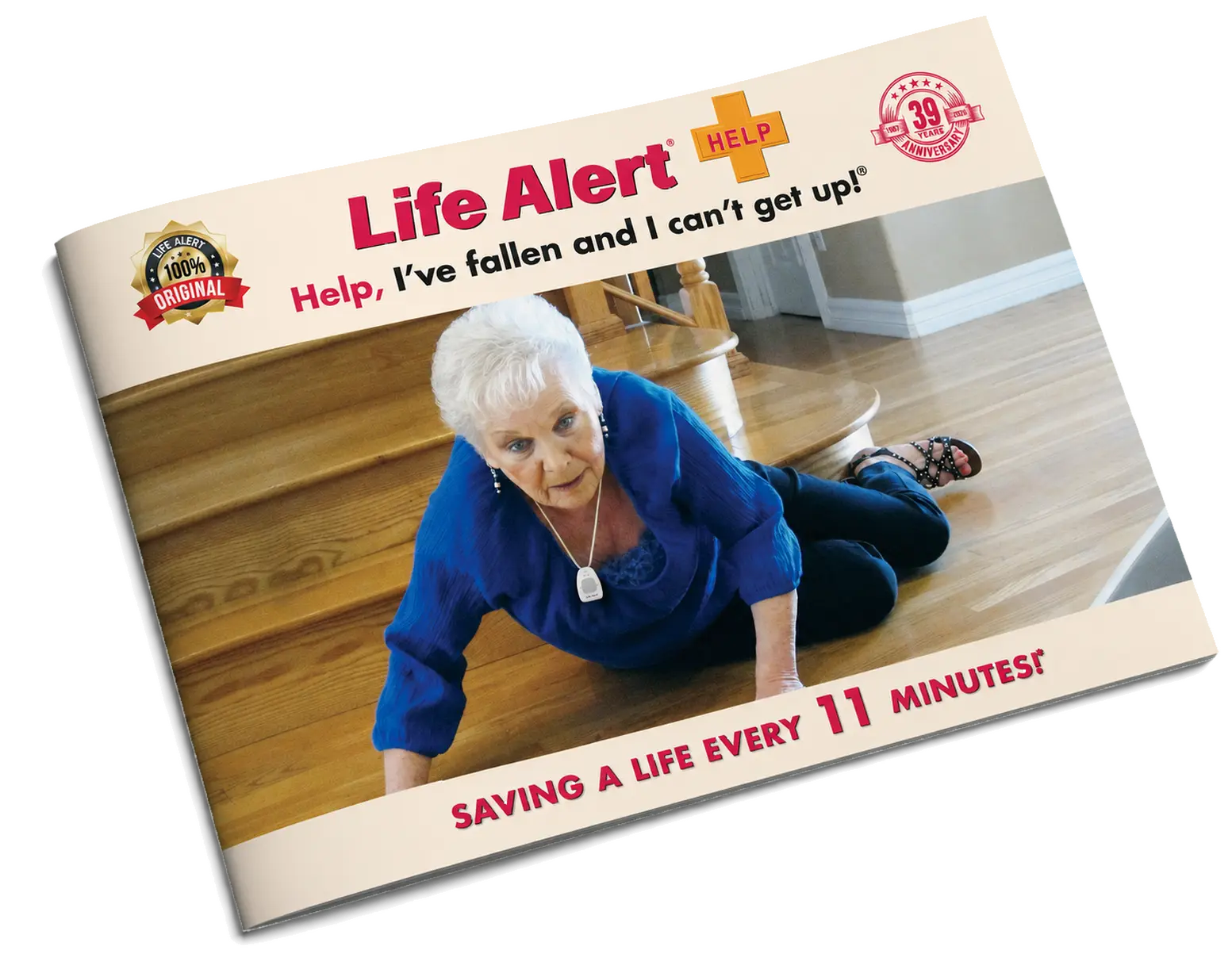
For a senior who is alert enough to use one, a Life Alert button provides a direct way to request help quickly. That matters when a caregiver is at work, asleep, out of town, or simply not expecting a crisis that day. With one press, the senior can reach a live dispatcher who can stay connected and contact the appropriate help, without requiring the senior to find a phone or dial a number during a stressful moment.
For families managing diabetes in an aging parent, this part of the safety plan is easy to postpone. Everyone talks about food, medication, and doctor appointments. Fewer families talk about what should happen if the senior is already on the floor.
But that is exactly the conversation worth having.
Questions Caregivers Should Ask Honestly
The decision about whether an older adult needs a medical alert system should be based on daily reality, not on optimism or pride.
Can your loved one reach a phone from the floor? Do they spend long hours alone? Have they had dizziness, fainting, confusion, or balance problems? Have they fallen before, even once? Would they know what to do if they were frightened, weak, or not thinking clearly?
A “yes” to any of these questions does not mean a senior cannot live independently. It means the independence may need stronger support.
That distinction matters. Most families are not trying to take independence away. They are trying to make it safer.
A Fall Is Rarely Simple for an Older Adult With Diabetes
For a younger, healthier person, a fall may mean soreness and embarrassment. For an older adult with diabetes, the consequences can be more serious.
A small cut on the foot may need careful attention. A broken hip can lead to hospitalization and a major loss of independence. A head injury may not be obvious right away. Time spent alone on the floor can lead to dehydration, panic, and further medical complications before anyone arrives.
This is why fall prevention and emergency response belong together. Prevention is the first goal. Fast access to help is the backup plan families hope they never need.
Can diabetes cause falls in seniors?
Diabetes may increase fall risk when it contributes to dizziness, weakness, vision problems, nerve damage in the feet, confusion, or low blood sugar episodes. The concern is greater when the senior lives alone or has already had balance problems.
Can low blood sugar make someone unable to call for help?
Yes, it can. Low blood sugar may cause confusion, weakness, blurred vision, trouble speaking, or loss of consciousness. A senior may know something is wrong but still be unable to get to a phone or explain the situation clearly.
Should a senior with diabetes have a medical alert system?
A medical alert system may be worth considering if the senior lives alone, spends long periods without someone nearby, has fallen before, has balance problems, or has experienced dizziness, confusion, or blood sugar emergencies. It does not treat diabetes, but it can help the senior request help during an emergency.
What should caregivers watch for at home?
Caregivers should pay attention to skipped meals, new unsteadiness, dizziness, confusion, blurred vision, numbness in the feet, unexplained fatigue, nighttime bathroom trips, or any fall — including one the senior insists was “nothing.”
The Real Goal Is Safer Independence
Diabetes management reduces risk. Emergency response planning protects the senior when something still goes wrong despite that management.
For caregivers, the strongest plan is not built around fear. It is built around honest observation: how the senior actually moves through the home, how often they are alone, whether they can get help after a fall, and what would happen if confusion or weakness made the phone impossible to reach.
Aging safely at home does not mean pretending risks are not there. It means preparing for them in a way that helps independence last longer.
Families concerned about falls, diabetic emergencies, or a loved one living alone can learn more about Life Alert’s medical alert systems or call 800-360-0329 for a free brochure.
Reviewed by: Life Alert Editorial Team
Medical source: National Institute of Diabetes and Digestive and Kidney Diseases, “Low Blood Glucose (Hypoglycemia)”
Note: This article is for informational purposes only and is not a substitute for medical advice. Caregivers should speak with a doctor or qualified health professional about diabetes care, blood sugar management, fall risk, and emergency planning.