Protecting Seniors from Health Fraud and Scams at Home
Health fraud targeting older adults is a growing and well-documented problem. According to the FBI's Elder Fraud division, seniors lose billions of dollars each year to scams — many of which are specifically designed to exploit medical concerns, feelings of isolation, or simple trust in a familiar name.
For seniors living independently, and for the families who care about them, understanding how these schemes work is one of the most effective forms of protection.
How Medical Alert Scams Work — and What to Watch For
Among the most targeted categories of health fraud are scams involving medical alert systems. These schemes are effective because they exploit a genuine need — the desire for safety and peace of mind — and because they impersonate the most trusted name in the category.
Life Alert — the most recognized name in medical alert services — is the primary target of these impersonation schemes. Because the brand is so widely known and trusted, scammers use its name and reputation specifically to gain access and collect payment.
There are two primary forms this fraud takes:
The Door-to-Door Impersonation Scam
In several states, individuals have posed as Life Alert representatives, going door to door in residential neighborhoods. They may approach existing Life Alert subscribers and claim that equipment needs to be replaced or upgraded. They may approach non-subscribers and present themselves as official Life Alert representatives making an authorized installation.
In both cases, the goal is the same: collect payment and leave the resident with equipment that has no connection to Life Alert.
Life Alert does not conduct door-to-door sales visits. If someone arrives at your door claiming to represent Life Alert, do not let them in and do not make any payment.
If you are a current Life Alert subscriber and have any doubt about whether a visit or contact is legitimate, call Life Alert directly to confirm. We will never replace or service equipment without first speaking with you.
The Misdial Interception Scam
A second scheme targets seniors who are simply trying to reach their bank, pharmacy, Social Security office, or another trusted institution. After misdialing, the caller hears a recorded message that says something like: "Congratulations — you now qualify for a free medical alert system."
This claim is misleading by design. What follows is a sales pitch for a monitoring service that charges monthly fees. The equipment may take weeks to arrive. In the meantime, the caller has already been charged for an inferior service.
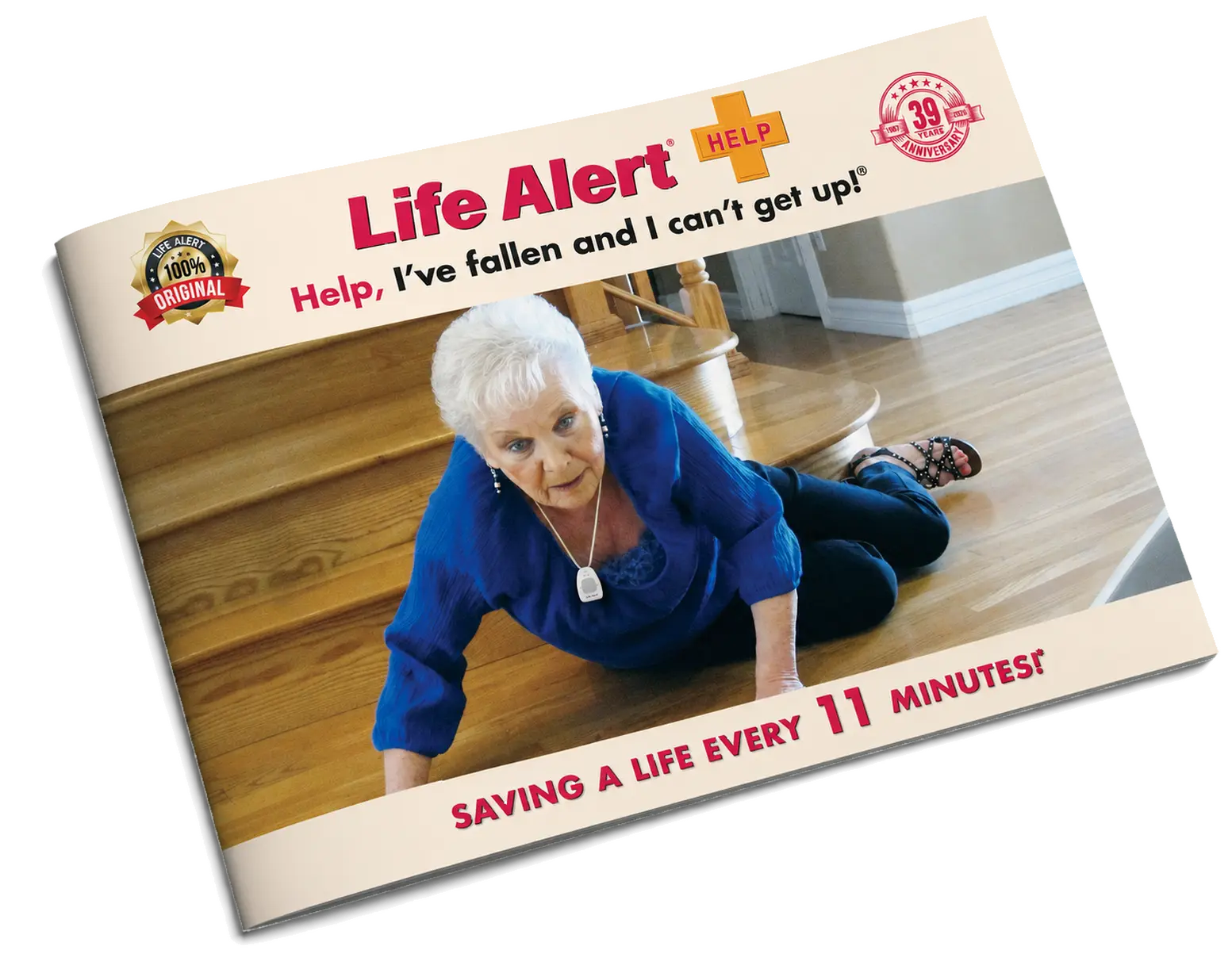
Some of these operations claim to be the company behind the phrase "I've fallen and I can't get up." That phrase is a registered trademark belonging exclusively to Life Alert. Any company using it to represent their own service is misrepresenting their affiliation.
Life Alert does not make unsolicited outbound calls. The company advertises so that people who want to learn more can reach out — those calls come from you, not from us. Any call arriving unexpectedly and claiming to offer a Life Alert service should be treated with caution.
The legitimate Life Alert model provides equipment at no charge during active service. Life Alert advertises in respected publications such as AARP and runs its commercials on television. It does not make unsolicited phone calls or send recorded congratulatory messages. If you receive a call like this, hang up
Other Health and Medical Fraud Targeting Seniors
Beyond medical alert scams specifically, older adults are frequently targeted by a broader category of health-related fraud. Common schemes include:
- Fake Medicare or insurance representatives contacting seniors to "verify coverage" or offer new benefits — then collecting personal information or billing Medicare for services never rendered.
- Unsolicited medical equipment or supplement offers promising cures, dramatic health improvements, or free trials that convert into recurring charges.
- Door-to-door health service providers presenting credentials that cannot be verified, offering in-home health assessments or treatments that are either unnecessary or nonexistent.
In each case, the tactics follow a recognizable pattern: create urgency, establish false authority, and request either payment or personal information before the target has time to think carefully.
Warning Signs to Recognize
Regardless of the specific scam, the following are reliable warning signs that something may not be legitimate:
- You did not initiate the contact — the call, visit, or message came to you unexpectedly
- There is pressure to decide quickly or accept a "limited time" offer
- The caller or visitor asks for Medicare numbers, Social Security numbers, bank details, or credit card information
- The offer is described as "free" but requires payment, enrollment, or personal information to proceed
- The person claims to represent a well-known company but cannot provide verifiable credentials or a callback number through official channels
- Something simply feels wrong or unclear
That last point matters. Trusting that instinct — and having a way to act on it — is important.
What to Do If You Suspect Fraud
If you believe you have encountered a health fraud attempt or scam:
- Do not provide any personal or financial information. If the contact is by phone, hang up. If it is at the door, do not let the person in.
- Contact a trusted family member or friend to discuss what happened before taking any further action.
- Report the incident to the FTC at ReportFraud.ftc.gov — the Federal Trade Commission tracks and investigates fraud patterns nationwide.
- Contact the FBI's Elder Fraud Hotline at 1-800-CALL-FBI (1-800-225-5324) — dedicated specifically to fraud targeting older adults.
- If you feel unsafe or uncertain in the moment, press your Life Alert button. A trained monitoring specialist is available 24 hours a day and can provide support, help you assess the situation, and contact the appropriate help if needed.
Frequently Asked Questions About Senior Health Fraud
Q: How do I know if someone at my door is really from Life Alert? A: Life Alert does not conduct door-to-door sales visits or send technicians to replace equipment without a scheduled appointment confirmed through official channels. If someone arrives unannounced claiming to represent Life Alert, do not let them in. If you are a current subscriber and are unsure, call Life Alert directly using the number on your official account materials to verify. We will never replace or service equipment without first speaking with you.
Q: What does it mean when a call says I qualify for a "free" medical alert system? A: Unsolicited calls offering free medical alert systems are a known scam format. Life Alert does not make unsolicited outbound calls — people who want to learn more contact us. If you receive an unexpected call claiming to offer a Life Alert service, hang up and do not provide any information.
Q: Is "I've fallen and I can't get up" a Life Alert trademark? A: Yes. That phrase is a registered trademark belonging exclusively to Life Alert. Any company using it to market their own service is misrepresenting their affiliation.
Q: What should I do if I already gave my information to a suspected scammer? A: Contact your bank or credit card provider right away to flag the transaction and, if necessary, freeze the account. Then report the incident to the FTC at ReportFraud.ftc.gov and consider placing a fraud alert with one of the three major credit bureaus — Equifax, Experian, or TransUnion.
Q: Can a Life Alert monitoring specialist help if I feel threatened or unsafe at home? A: Yes. The Life Alert monitoring center is staffed 24 hours a day, every day of the year. If something feels wrong — whether it is a suspicious caller, someone at the door, or any situation where you feel uncertain or unsafe — pressing your Life Alert button connects you to a live specialist who can help assess the situation and contact the appropriate assistance.
For Families and Caregivers
Adult children and caregivers often carry a quiet concern about these risks — particularly when a loved one spends time alone during the day. Awareness and open conversation are important first steps. Talking with older family members about how these scams work, and what the warning signs look like, significantly reduces vulnerability.
An added layer of protection comes from knowing that help is always accessible. Life Alert's wearable help button means that whether a situation involves a medical emergency, a threatening interaction, or simply a moment of uncertainty, a trained specialist is never more than a button press away.
Staying Protected Means Staying Connected
Health fraud continues to evolve. The specific scripts and methods change, but the underlying approach remains consistent — create confusion, establish false trust, and act before the target has time to pause and think.
The most effective response to that approach is equally consistent: slow down, verify, and know that help is available. For seniors living independently, having reliable access to assistance is not only valuable in medical emergencies — it is a meaningful layer of protection in daily life.
To learn more about how Life Alert supports safe, independent living and provides access to assistance when it matters most, visit our How It Works page or call us today at 800-360-0329.