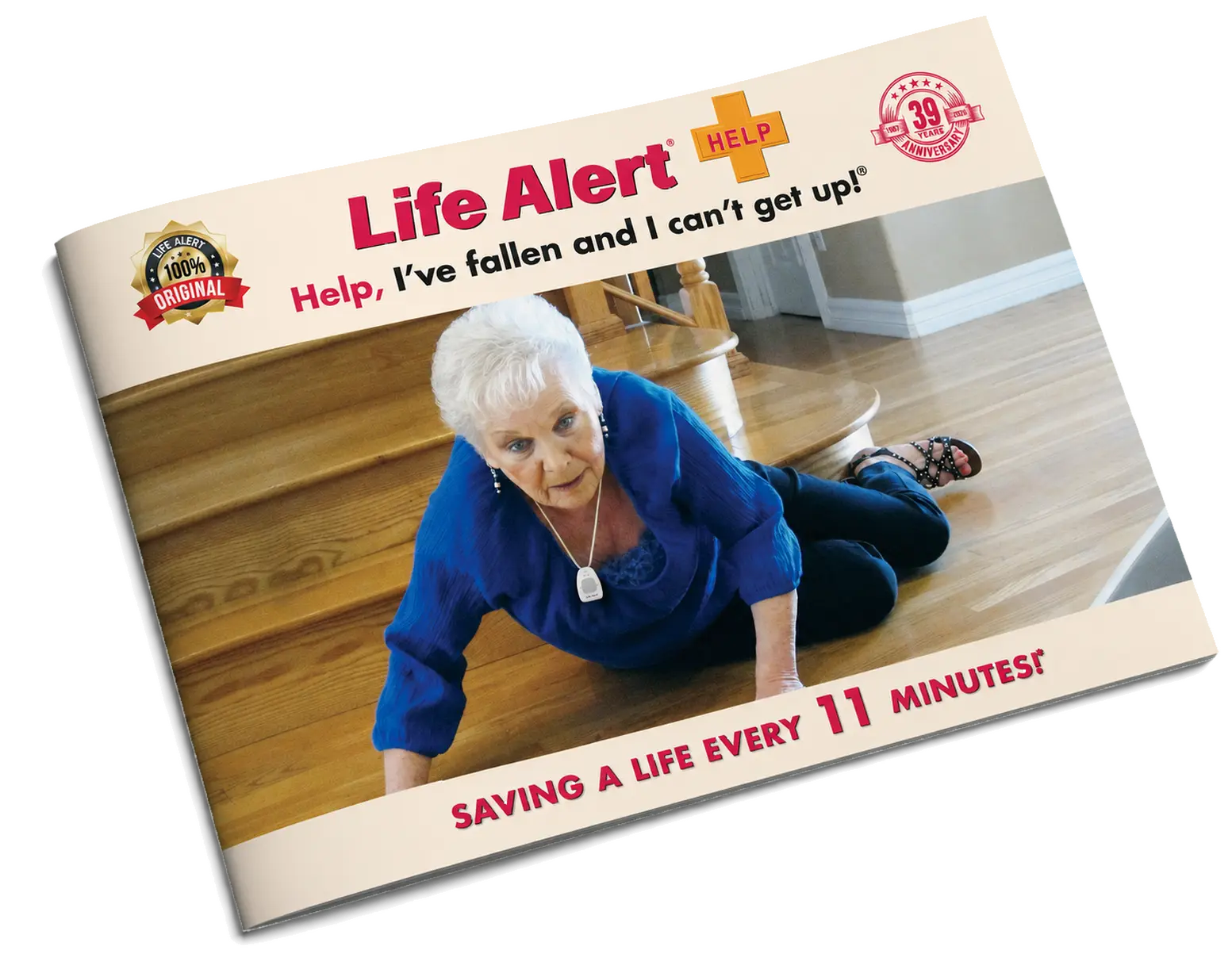
Over its decades of operation, Life Alert has assisted many subscribers during heart-related emergencies that began with symptoms people initially dismissed as minor — unusual fatigue, unexpected weakness, dizziness, or shortness of breath that did not seem serious at first. In many of those situations, the subscriber was home alone, and reaching a phone was not possible.
That pattern — a manageable-seeming symptom, a person alone, and no easy way to call for help — is one of the most important reasons preparation matters for anyone living independently.
Heart disease remains the leading cause of death in the United States, according to the Centers for Disease Control and Prevention. The American Heart Association notes that the risk of cardiovascular events increases significantly with age, and that conditions such as high blood pressure, high cholesterol, and diabetes — which become more common as people grow older — are among the most significant contributing factors.
For seniors living independently, these statistics are not abstract. They reflect real daily risk that is worth understanding and planning around.

What Are the Early Warning Signs of a Heart Attack?
One of the most important things to understand about heart-related emergencies is that they do not always begin the way people expect. A heart attack is not always announced by dramatic chest pain. Early symptoms are frequently subtle and easy to dismiss.
Warning signs worth taking seriously include:
- Unusual fatigue — feeling significantly more tired than normal without an obvious cause
- Dizziness or lightheadedness — particularly when standing or moving through the home
- Shortness of breath — especially if it occurs during routine activity or at rest
- Discomfort in the chest, arm, neck, or jaw — which may feel like pressure, tightness, or an ache rather than sharp pain
- Nausea or a general sense that something is wrong — even without other identifiable symptoms
The American Heart Association notes that women are more likely than men to experience heart attack symptoms that do not involve chest pain, including fatigue, nausea, and back or jaw discomfort. This distinction is worth knowing.
Life Alert's experience responding to heart-related emergencies over many decades reflects what researchers have documented: subscribers frequently report having noticed something felt wrong for some time before pressing their medical alert button. Early morning hours are a particularly common time for cardiac events to occur. And the circumstances are rarely dramatic — a person feeling unwell while preparing breakfast, becoming dizzy in a hallway, or waking in the night with an unfamiliar discomfort.
In those moments, having a direct way to reach help can make a meaningful difference in what happens next.
How to Support Heart Health at Home
While no lifestyle choice eliminates cardiac risk entirely, decades of research from the American Heart Association, the CDC, and leading cardiovascular specialists point consistently to the same core habits. For older adults living independently, these are not just recommendations — they are practical tools for maintaining health, energy, and the ability to stay at home longer.
Eat for Your Heart
A heart-healthy diet does not require dramatic changes. The most consistently supported dietary habits include reducing sodium intake to help manage blood pressure, limiting saturated and trans fats found in processed and fried foods, increasing fruits, vegetables, and fiber-rich whole grains, choosing lean proteins such as fish, poultry, and legumes, and limiting added sugars and alcohol.
For seniors, staying well hydrated is equally important. Mild dehydration can affect blood pressure and heart rate, and older adults are more susceptible to dehydration than younger people, often without feeling thirsty.
Stay Physically Active
Regular physical activity is one of the most effective ways to support cardiovascular health at any age. The American Heart Association recommends at least 150 minutes of moderate activity per week for most adults — but for older adults, any consistent movement is beneficial. Walking, gentle stretching, swimming, and chair-based exercises all contribute to heart health and help maintain the strength and balance that support safe independent living.
Before beginning or changing an exercise routine, older adults should consult their physician — particularly those managing existing heart conditions, high blood pressure, or diabetes.
Manage Risk Factors With Medical Support
High blood pressure, high cholesterol, and diabetes are among the most significant contributors to cardiovascular risk — and all three are manageable with proper medical care. Regular checkups allow physicians to monitor these conditions, adjust medications when needed, and catch early warning signs before they become emergencies.
Taking prescribed medications consistently, attending scheduled appointments, and communicating openly with healthcare providers about any new or changing symptoms are among the most important things an older adult can do to protect their heart health over time.
Avoid Smoking and Limit Alcohol
Smoking remains one of the strongest independent risk factors for heart disease and stroke. For those who smoke, quitting at any age produces meaningful cardiovascular benefits. Alcohol, when consumed in excess, raises blood pressure and contributes to irregular heart rhythms. Most cardiovascular guidelines recommend limiting alcohol to no more than one drink per day for women and two for men, with many physicians advising further reduction for older adults.
Manage Stress and Prioritize Sleep
Chronic stress and poor sleep both contribute to elevated blood pressure and increased cardiovascular risk. For seniors living alone, social isolation can amplify these effects. Staying connected with family, friends, and community — whether in person or by phone — supports both mental and heart health. Regular sleep of seven to nine hours per night, where possible, is associated with better cardiovascular outcomes across age groups.
When Should a Senior Call for Help?
This is one of the most important questions in senior home safety — and one of the most commonly delayed decisions.
The answer, based on both medical guidance and Life Alert's direct experience, is: sooner rather than later. Hesitation is one of the most common risks in a cardiac situation. Waiting to see if symptoms pass, or delaying a call because a situation does not feel serious enough, can significantly affect outcomes.
If something feels wrong — even without a clear explanation — that instinct is worth acting on. Pressing a Life Alert button does not commit a subscriber to anything other than speaking with a trained monitoring specialist who can help assess the situation and, if needed, contact emergency services. That conversation takes seconds. The alternative — waiting alone and hoping symptoms resolve — carries far greater risk.
For adult children and caregivers, this hesitation pattern is worth discussing openly with aging parents. Many people are reluctant to make what feels like an unnecessary call over symptoms that might turn out to be nothing. Encouraging a loved one to act on concern rather than wait through it can be one of the most important conversations a family has.
How Does a Medical Alert System Help During a Cardiac Emergency?
When a heart-related symptom occurs at home, the practical challenge is often straightforward: the person does not feel well enough, or is not positioned well enough, to reach a phone.
A wearable help button addresses that specific problem. It does not require the subscriber to get up, cross a room, or locate a device. A single press, from wherever they are in the home, connects them to a Life Alert monitoring specialist who can assess the situation, stay on the line, and dispatch emergency services if needed.
Life Alert's medical alert buttons never require charging. They are always worn and always ready — because a device that needs to be plugged in or remembered is a device that may not be available at the moment it is needed most.
For families, the value extends beyond the emergency itself. Knowing that a parent living alone has a reliable, always-ready connection to help changes the experience of distance. The concern does not disappear, but it becomes more manageable.
Preparation Is Part of Living Independently
Independent living at home is something most older adults want — and with the right preparation, it is something most can sustain safely for longer than they might expect.
Heart health is one part of that preparation. Healthy habits, regular medical care, and awareness of warning signs all contribute to a safer, more secure life at home. So does having a dependable way to reach help when something unexpected occurs — not because emergencies are inevitable, but because being ready for them is simply good planning.
Life Alert has spent nearly four decades helping seniors remain at home safely, providing around-the-clock access to trained monitoring specialists and giving families the reassurance that their loved ones are never truly alone.
To learn more about how Life Alert supports safe, independent living, visit our How It Works page or call us today at 800-360-0329 for a free brochure.